
Know Your Visceral Fat.
Own Your Health.
Visceral fat is the hidden fat surrounding your organs — and it’s one of the strongest predictors of metabolic disease. Get a precision DEXA scan at BodyStats and see what’s really going on inside.
Understanding the difference
Two Types of Body Fat
Subcutaneous Fat
The fat beneath your skin that you can pinch. Generally less harmful to your metabolic health.
Visceral Fat
Deep abdominal fat wrapping your organs. Metabolically active and linked to serious disease.
What is visceral fat?
The Hidden Fat You Can’t See
Visceral fat is stored deep inside your abdominal cavity, surrounding vital organs like your liver, pancreas, and intestines. Unlike the fat you can pinch, visceral fat is invisible from the outside — but it’s far more dangerous.
- Produces inflammatory compounds (cytokines) that disrupt normal metabolic function
- Increases insulin resistance, a precursor to type 2 diabetes
- Cannot be measured by BMI, scales, or tape measures alone
- Even lean individuals can carry dangerous visceral fat levels (“skinny fat”)
Why it matters
Health Risks of Excess Visceral Fat
Research consistently links high visceral fat to a range of serious health conditions. Understanding these risks is the first step to taking control.
Cardiovascular Disease
Visceral fat releases free fatty acids directly into the portal vein, contributing to arterial plaque buildup, high blood pressure, and elevated LDL cholesterol.
High RiskType 2 Diabetes
Excess visceral fat is one of the strongest predictors of insulin resistance. It impairs glucose metabolism and can push blood sugar levels into the pre-diabetic range.
High RiskCognitive Decline
Studies show that higher visceral fat is associated with reduced brain volume and increased risk of dementia, even after adjusting for overall body weight.
Emerging ResearchMetabolic Syndrome
A cluster of conditions — high blood pressure, elevated blood sugar, excess abdominal fat, and abnormal cholesterol — that dramatically increase disease risk.
High RiskCertain Cancers
Chronic inflammation from visceral fat has been linked to increased risk of colorectal, breast, and pancreatic cancers through hormonal and metabolic pathways.
Moderate RiskLiver Disease (NAFLD)
Visceral fat is a primary driver of non-alcoholic fatty liver disease, which can progress to liver inflammation, scarring, and even liver failure if left unchecked.
High RiskPrecision measurement
How DEXA Measures Visceral Fat
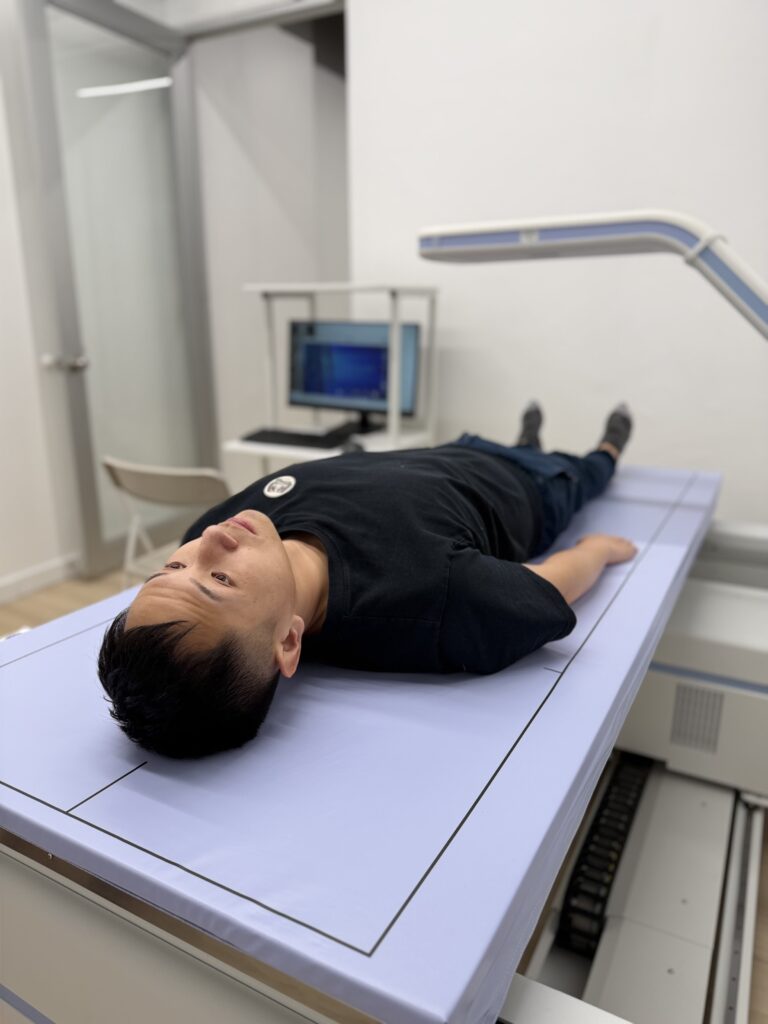
DEXA (Dual-Energy X-ray Absorptiometry) is the clinical gold standard for body composition analysis. It uses two low-dose X-ray beams to map your body’s fat, lean mass, and bone with extraordinary precision.
Regional Fat Mapping
See exactly where fat is stored — arms, legs, trunk, and the critical android (abdominal) region.
Visceral Adipose Tissue (VAT)
Directly quantifies the volume of fat surrounding your internal organs — measured in grams and cm².
Track Changes Over Time
Monitor your visceral fat progression scan-to-scan with clinically accurate baselines. See if your protocol is working.
Know your numbers
Visceral Fat Rating Scale
DEXA scanners rate visceral fat on a standardized scale. Here’s how to interpret your results.
Ratings are based on the visceral fat area measured by DEXA. Your detailed report at BodyStats will include your exact VAT area in cm² alongside this rating for clinical context.
Take action
How to Reduce Visceral Fat
The good news: visceral fat responds well to targeted lifestyle changes. Here are the evidence-backed strategies that make the biggest impact.
Prioritize Aerobic Exercise
Moderate-to-vigorous aerobic activity (brisk walking, cycling, swimming) for 150+ minutes per week has been shown to significantly reduce visceral fat — even without major weight loss on the scale.
Build Lean Muscle Mass
Resistance training increases resting metabolic rate and helps shift body composition. Combining strength work with cardio is the most effective protocol for long-term visceral fat reduction.
Optimize Your Nutrition
Focus on whole foods, adequate protein, and fiber. Reduce refined carbohydrates and added sugars — visceral fat is especially sensitive to excess sugar and processed food intake.
Manage Stress & Sleep
Chronic stress elevates cortisol, which directly promotes visceral fat storage. Prioritize 7–9 hours of quality sleep and incorporate stress-reduction practices into your routine.
Ready to take control?
Get Your Visceral Fat Analyzed Today
Get clinically accurate data about the fat you can’t see. No referral needed. Walk in or book online.
Common questions
Frequently Asked Questions
Everything you need to know about visceral fat and DEXA body composition analysis.