
Know your visceral fat
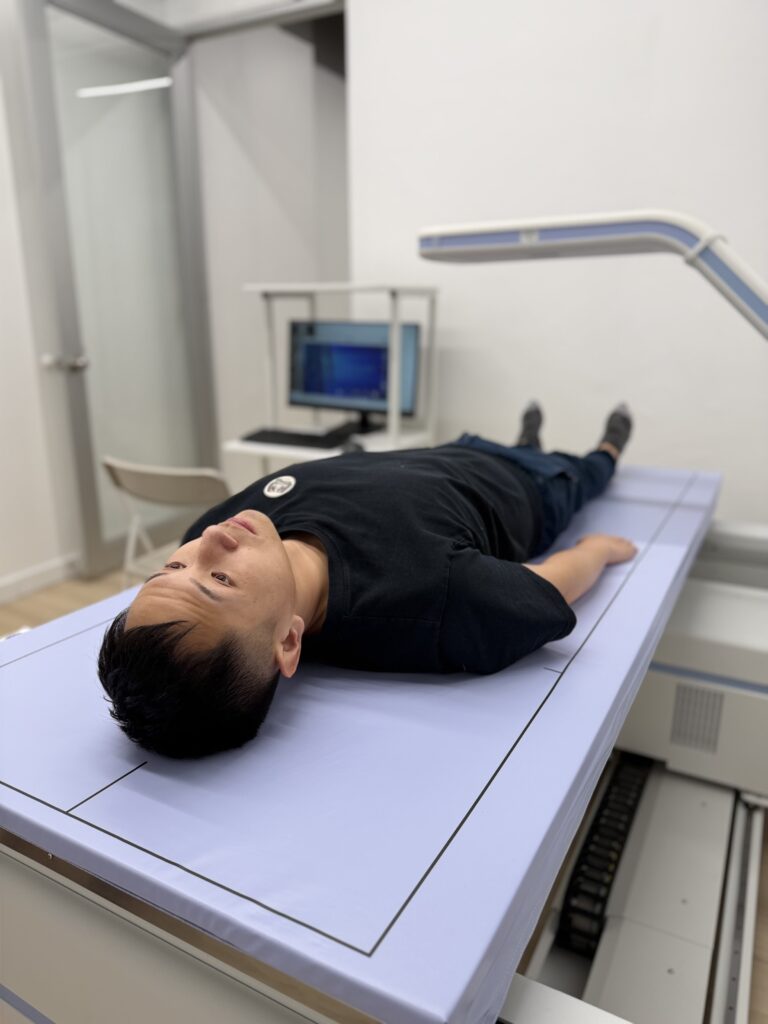
The fat around your organs is invisible from the outside and one of the strongest risk markers for metabolic disease. A DEXA scan measures it directly.
Two kinds of body fat
Subcutaneous fat
The fat you can pinch. Generally less harmful to your metabolic health.
Visceral fat
Deep abdominal fat around your organs. Metabolically active and linked to serious disease.
Why it matters
Research links high visceral fat to:
- Heart disease, high blood pressure and high LDL cholesterol
- Insulin resistance and type 2 diabetes
- Metabolic syndrome
- Fatty liver disease
- Some cancers, and cognitive decline (emerging research)
Even people at a healthy weight can carry too much of it.
How DEXA measures it
Visceral fat mass
Your scan reports the fat around your organs in grams.
Regional fat map
See fat in your arms, legs, trunk and belly (android) region.
Tracked over time
Your BodyStats dashboard shows your visceral fat after every scan, so you can see what’s working.
How to reduce it
Move more
150+ minutes a week of moderate to hard cardio reduces visceral fat, even without much weight loss.
Build muscle
Strength training alongside cardio is the most effective combination long term.
Eat well, sleep well
Whole foods, enough protein and fibre, less added sugar, and 7 to 9 hours of sleep.
Questions
What is visceral fat?
Fat stored deep in your abdomen, around organs like your liver, pancreas and intestines. Unlike the fat you can pinch, it’s metabolically active and linked to heart disease and type 2 diabetes.
Can a scale or BMI measure it?
No. Scales, BMI and tape measures can’t see it. Even lean people can carry high visceral fat. DEXA measures it directly.
How often should I check it?
Every 8 to 12 weeks if you’re working on it. Your dashboard tracks it scan to scan.
BodyStats scans are for body composition analysis only and are not medical advice. For health concerns, talk to your doctor.
Measure the fat you can’t see
Book online. No referral needed.